Aligning Account Verification Processes with Live Betting Windows in Mobile League Platforms
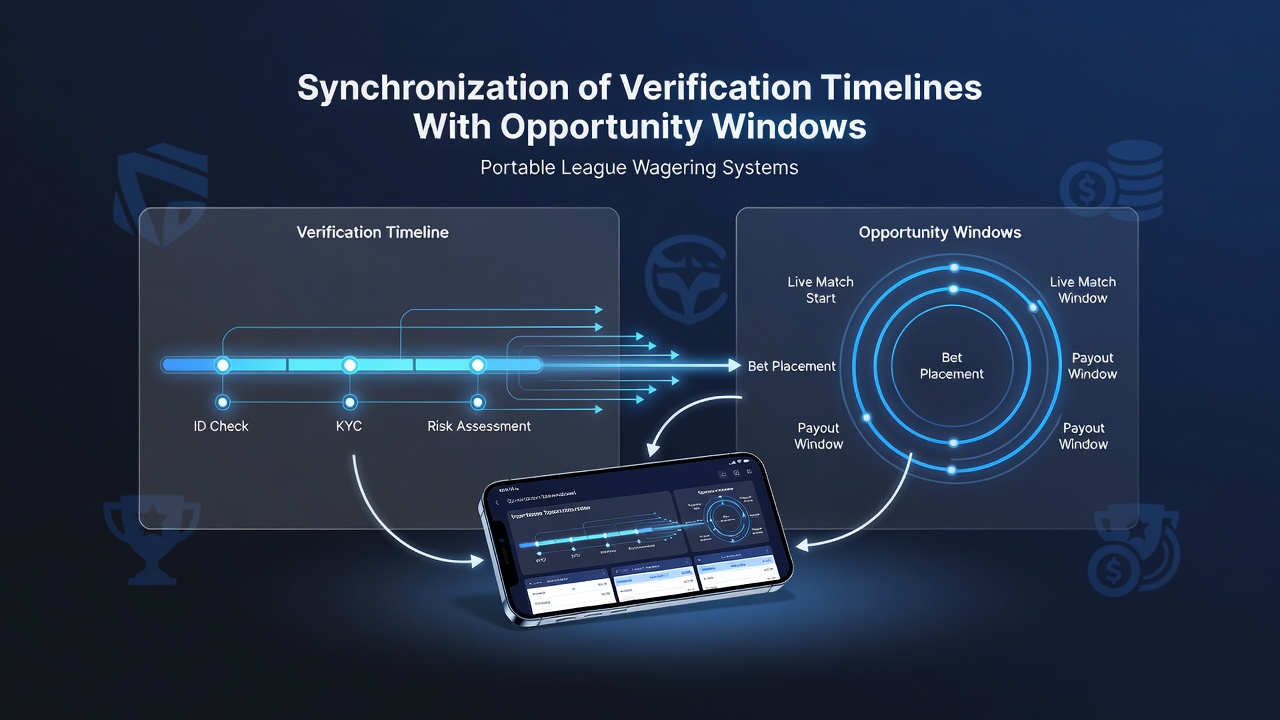
Portable league wagering systems require precise coordination between account verification timelines and the narrow opportunity windows that define live betting markets, and data from industry analyses shows these alignments directly affect transaction completion rates during peak events. Observers note that verification steps such as identity confirmation, payment authorization, and regulatory compliance checks must complete within seconds to match the rapid shifts in odds across NFL and NBA contests. When these processes fall out of sync, users encounter delays that close access to prop bets and in-play adjustments before the window expires.
Core Components of Verification Timelines
Verification timelines in mobile platforms encompass multiple sequential stages that include document upload, biometric matching, and database cross-references against regulatory lists, and studies from the Nevada Gaming Control Board indicate average completion times range from 45 seconds to several minutes depending on network conditions and document clarity. Researchers have documented how automated systems now employ machine learning to accelerate facial recognition and address verification, reducing manual review queues during high-volume periods such as June 2026 playoff schedules. Those who monitor platform performance report that integration with third-party services further compresses these timelines while maintaining compliance standards set by state gaming authorities.
Defining Opportunity Windows in League Markets
Opportunity windows represent the brief intervals when specific bets become available at favorable odds before market adjustments occur, and figures from transaction flow analyses reveal these windows often last between 10 and 90 seconds during live NFL drives or NBA timeouts. Platform operators synchronize backend APIs to push updated lines instantly, yet verification bottlenecks can prevent account activation from aligning with these fleeting moments. Data indicates that mobile users attempting first-time deposits during live events face heightened risk of missing entries unless pre-verification protocols activate well in advance.
Technical Synchronization Mechanisms
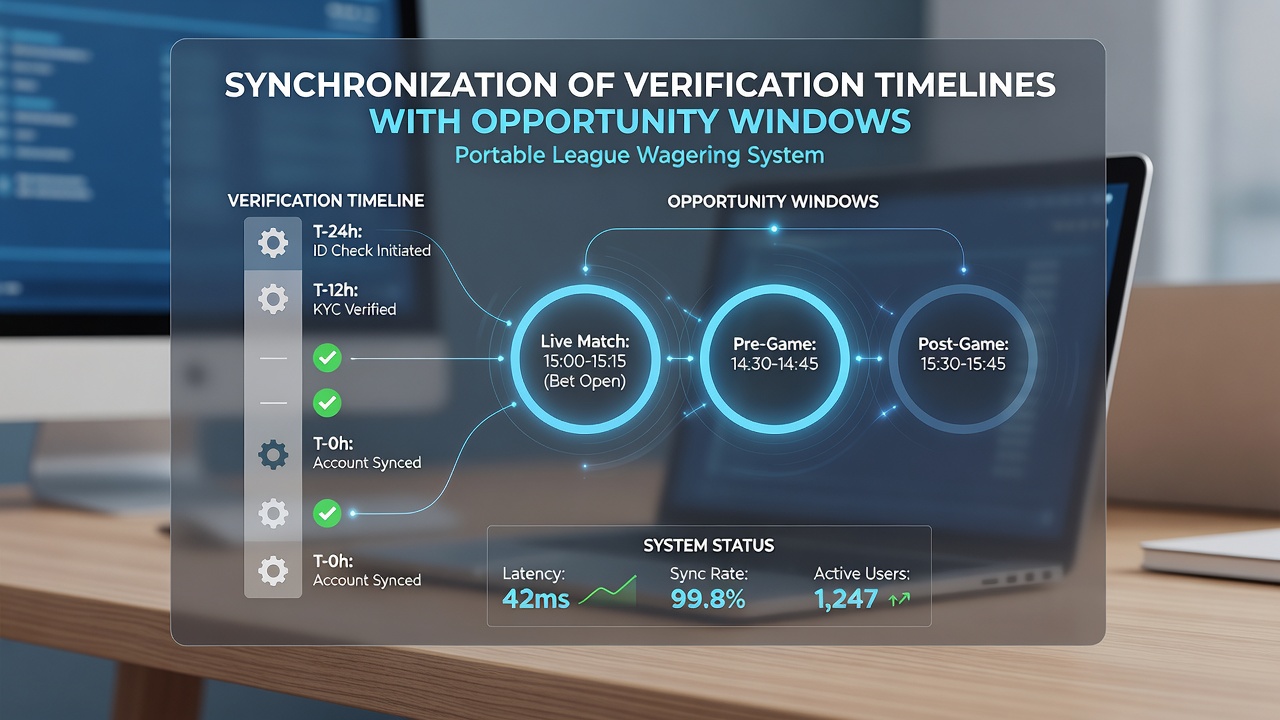
Engineers implement event-driven architectures that trigger verification workflows upon user login or deposit initiation, and these systems queue tasks to overlap with anticipated betting peaks. Real-time monitoring tools track latency across verification servers and betting engines simultaneously, allowing adjustments that prevent desynchronization during league-wide events. One case documented by platform developers showed how predictive queuing reduced missed opportunities by routing high-priority verifications ahead of standard background processes.
Regulatory Influences on Timing Standards
Regulatory frameworks across jurisdictions establish minimum verification requirements that influence how quickly platforms can activate accounts for live wagering, and reports from the Malta Gaming Authority highlight standardized procedures that balance security with operational speed. In regions like Australia, oversight from state commissions requires audit trails that log every verification step against betting timestamps, creating datasets that help refine synchronization algorithms. Industry organizations such as the European Gaming and Betting Association compile comparative data showing how different regulatory approaches affect average window capture rates for mobile users.
Impact on User Transaction Flows
Users experience these synchronized systems through seamless deposit-to-bet sequences where verification status updates appear in real time within app interfaces, and transaction logs from major platforms demonstrate that integrated flows achieve completion rates above 95 percent when timelines align properly. Disruptions arise when external factors such as carrier network variability or document resubmission needs extend verification beyond the active opportunity window. Observers tracking June 2026 NBA conference finals noted increased support queries related to timing mismatches, prompting operators to deploy proactive status notifications that guide users toward pre-event verification.
Future Developments in Platform Integration
Emerging technologies including blockchain-based identity verification and edge computing promise tighter integration between verification and betting modules, and preliminary trials reported by academic research groups suggest latency reductions of up to 60 percent in simulated mobile environments. These advancements allow platforms to maintain compliance while expanding access to rapid in-play markets across portable devices. Continuous monitoring of synchronization metrics remains essential as league schedules evolve and betting volumes fluctuate seasonally.
Conclusion
Effective synchronization of verification timelines with opportunity windows continues to shape operational priorities for mobile league wagering platforms, and ongoing refinements based on performance data support improved access during live events. Regulatory bodies and industry groups maintain oversight that guides these technical developments across multiple regions. Platform operators who achieve consistent alignment deliver stable user experiences that match the pace of professional sports betting markets.