Encryption Protocols Directing Secure NBA Prop Bet Execution on Mobile Platforms
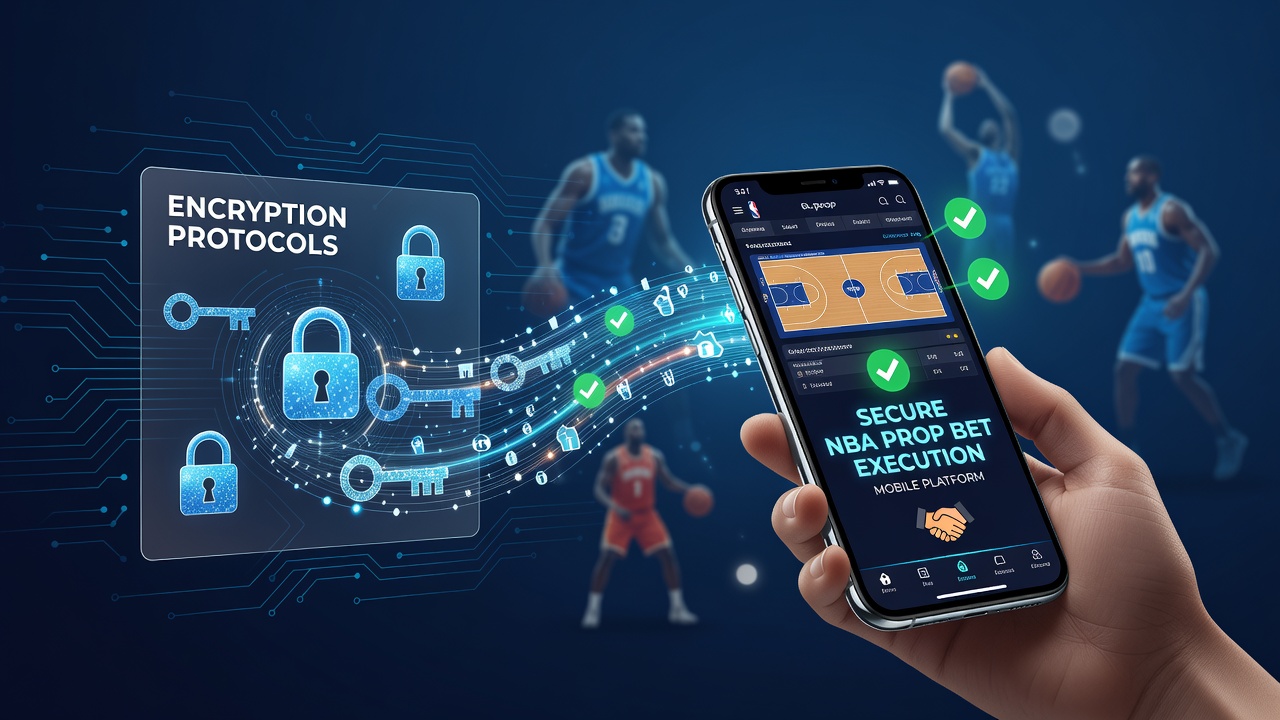
Encryption protocols form the backbone of data protection in mobile applications that handle NBA prop bets, ensuring player information and transaction details remain shielded during transmission and storage. These systems rely on established standards that encrypt sensitive elements like wager amounts, user credentials, and outcome predictions before they travel across networks. Researchers at institutions such as the National Institute of Standards and Technology have documented how protocols like TLS 1.3 and AES-256 create layered defenses that prevent unauthorized access while supporting the rapid execution required for live prop betting scenarios.
Core Components of Encryption in Betting Applications
Mobile platforms integrate symmetric and asymmetric encryption methods to manage NBA prop bets, where symmetric algorithms such as AES handle bulk data encryption for efficiency and asymmetric techniques like RSA or ECC secure key exchanges between devices and servers. Observers note that this combination allows applications to process bets on player statistics or game events without exposing raw data to interception risks. In June 2026, updates to these frameworks have incorporated elements designed to address emerging computational threats, maintaining compatibility with existing mobile operating systems while enhancing verification steps during each transaction cycle.
Key exchanges occur through protocols that authenticate both the betting application and the user's device before any prop bet data moves forward. This process involves certificate validation and session key generation, which limits exposure windows during high-volume periods such as conference finals or playoff series. Data shows that platforms employing these measures experience fewer reported incidents of compromised sessions compared to those using older encryption versions.
Impact on Transaction Integrity for NBA Props
Secure execution of NBA prop bets depends on encryption maintaining data integrity throughout the betting lifecycle, from initial placement through settlement. Hash functions paired with encryption algorithms verify that wager details remain unaltered after submission, a requirement that becomes critical when odds shift rapidly based on in-game developments. Those who've studied mobile betting systems indicate that end-to-end encryption reduces discrepancies between user inputs and recorded outcomes, supporting accurate payouts tied to specific player performances or team metrics.
Additional safeguards include tokenization of payment information, which replaces actual card or account details with encrypted equivalents that hold no standalone value if intercepted. This approach integrates with broader compliance frameworks enforced by regulatory bodies across multiple jurisdictions, including standards outlined by the Malta Gaming Authority and research from the Canadian Centre for Cyber Security. Figures reveal that adoption of these combined techniques has correlated with increased user retention rates on platforms offering NBA prop markets.
Adaptations in Mobile Environments During June 2026
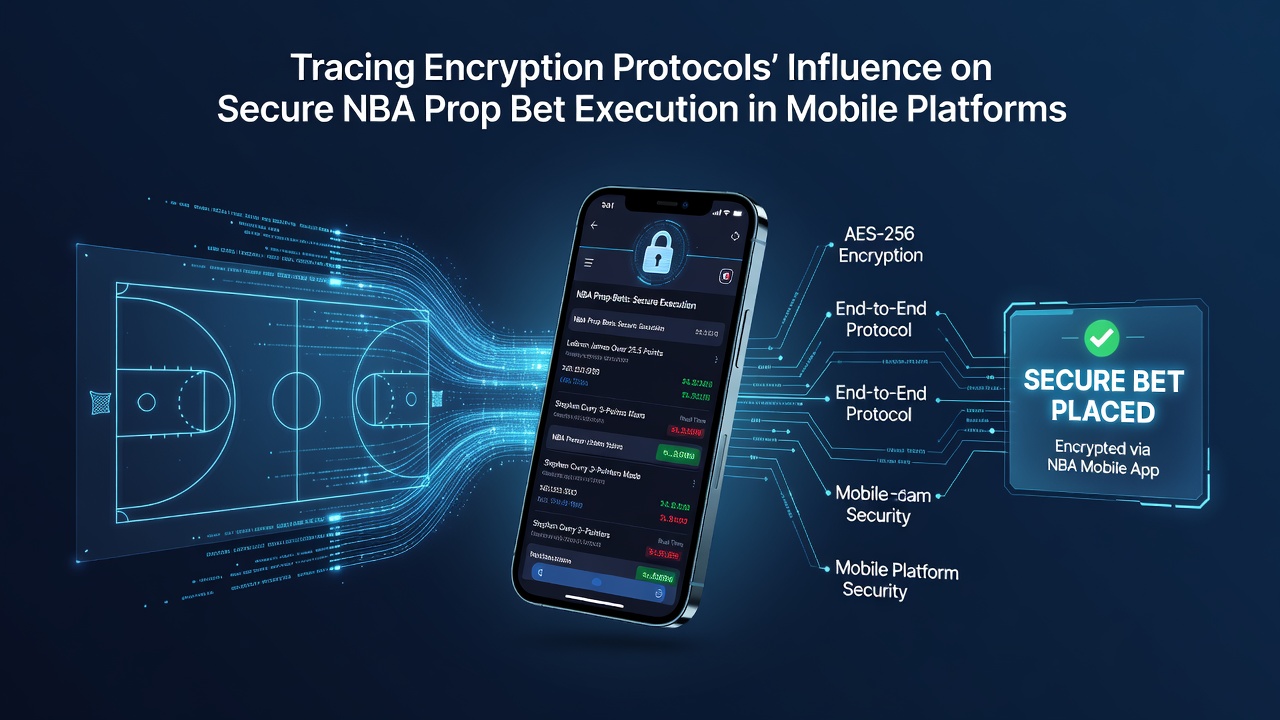
By June 2026 mobile applications have adapted encryption protocols to accommodate variable network conditions common during live NBA events, employing techniques that maintain security without introducing noticeable delays in bet confirmation. Adaptive encryption adjusts cipher suite selections based on device capabilities and connection quality, allowing seamless prop bet placements even on cellular networks with fluctuating strength. Studies from academic sources including papers published through IEEE have examined how these dynamic adjustments preserve both speed and protection levels across diverse hardware configurations.
Platforms also deploy certificate pinning and forward secrecy features that prevent retroactive decryption of past sessions even if long-term keys face compromise. These measures prove particularly relevant for NBA prop bets involving real-time elements such as quarter-specific performances or individual stat thresholds. Evidence suggests that consistent implementation across applications has contributed to standardized security baselines that operators follow when updating their systems for seasonal demands.
Future Considerations for Protocol Development
Ongoing developments point toward post-quantum cryptography integration in mobile betting environments, with testing phases underway that evaluate algorithms resistant to quantum computing attacks. These efforts aim to future-proof NBA prop bet systems against potential advances in computational power that could challenge current encryption strengths. Industry reports from organizations like the European Gaming and Betting Association highlight collaborative initiatives between technology providers and regulatory entities to establish migration timelines that minimize disruption to existing user bases.
Monitoring and auditing processes continue to verify protocol effectiveness through regular penetration assessments and compliance checks. Such practices help identify areas where encryption implementations might require refinement to address new vulnerabilities discovered in mobile operating systems or third-party libraries commonly used in betting applications.
Conclusion
Encryption protocols continue shaping the operational landscape for secure NBA prop bet execution on mobile platforms through their influence on data protection, transaction verification, and system adaptability. As technological and regulatory environments evolve through June 2026 and beyond, these standards provide the foundation that supports reliable betting experiences while addressing emerging security considerations across global markets.