Interconnected Systems: Funding Channels and Resolution Teams in Mobile Live Betting Adjustments
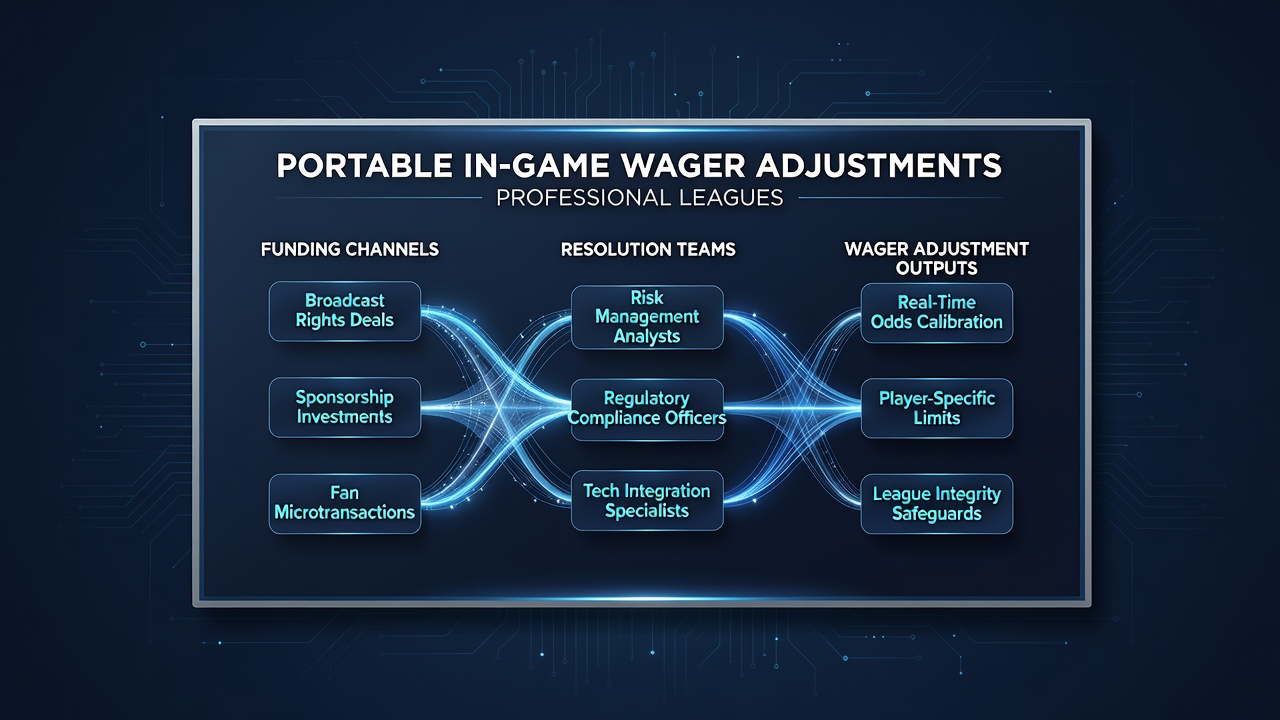
Payment processing networks and customer assistance units operate together in mobile betting applications that serve professional leagues such as the NFL and NBA. These elements combine to determine how quickly in-game wager terms can shift when live events unfold. Data from industry reports indicate that transaction pathways must remain stable while support personnel address user queries in real time, because delays in either area can alter the timing of odds updates during critical game moments.
Payment Processing Networks in Mobile Platforms
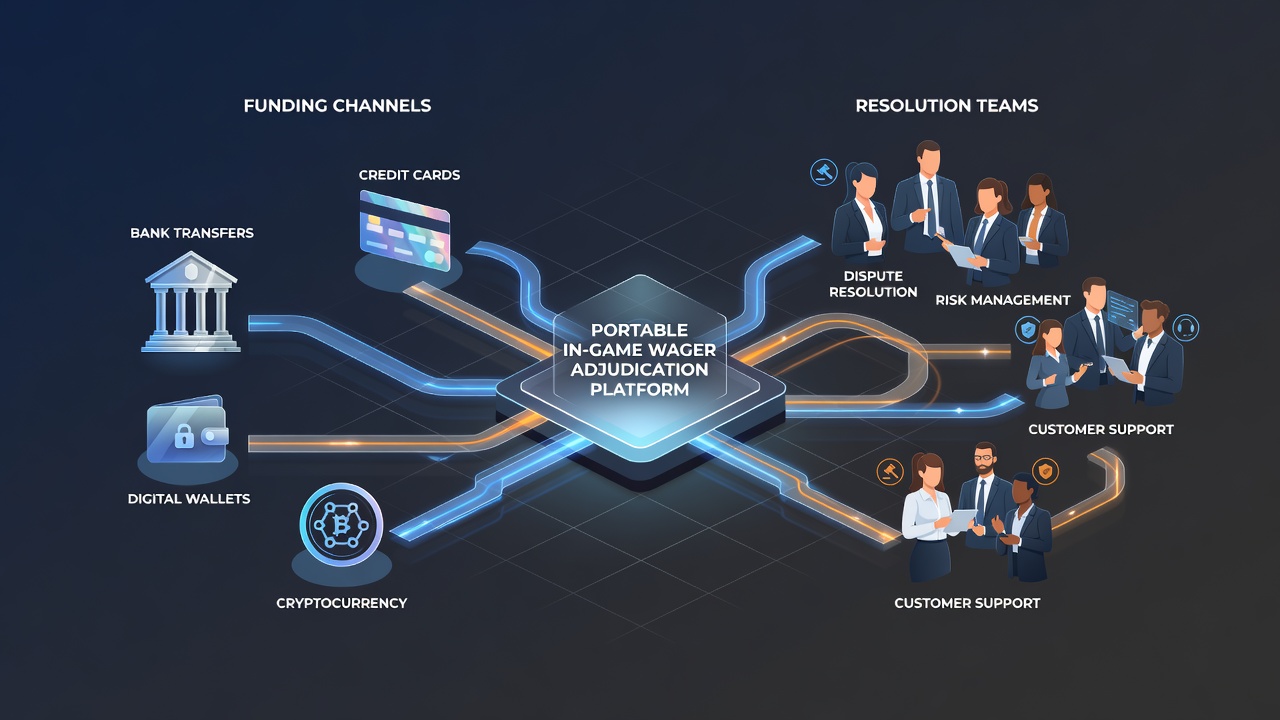
Funding channels include bank transfers, digital wallets, and card authorizations that feed into mobile apps used for live betting. Observers note that these pathways connect directly to backend systems responsible for recalculating odds as plays develop on the field or court. When deposits process without interruption, betting operators maintain continuous access to updated market data that informs wager adjustments during professional games. Research from the European Gaming and Betting Association shows that integrated payment rails reduce latency between user actions and system responses in live environments.
Operators rely on these networks to handle volume spikes that occur around high-profile matches. In July 2026, offseason activity for the NFL draft and NBA free agency periods continues to drive steady mobile engagement, where funding stability supports ongoing prop bet modifications even outside regular seasons. Those who manage platform infrastructure report that seamless deposit flows allow resolution teams to focus on exception handling rather than payment troubleshooting.
Support Structures and Query Resolution
Resolution teams monitor chat interfaces, email tickets, and in-app messaging systems that users activate when transaction or odds issues arise. These teams coordinate with payment processors to verify account balances and clear holds that might otherwise block wager placements. Evidence from platform analytics reveals that faster query handling correlates with smoother adjustments to portable in-game markets across basketball and football leagues.
Staff members often trace problems back to funding channel interruptions, such as authorization delays or wallet sync failures. When support personnel resolve these quickly, they restore full functionality that enables precise live bet modifications. Industry data indicates that teams trained in both payment protocols and odds engines achieve higher resolution rates during peak live betting windows.
Dependencies Between Channels and Teams
Interdependencies emerge because payment confirmations supply the data that resolution teams use to validate user requests for wager changes. A deposit that clears late can prevent a support agent from authorizing an adjustment to an active in-play bet, even when game conditions warrant it. Those who oversee operations at major platforms describe these linkages as feedback loops where each component influences the speed and accuracy of mobile adjustments.
Technical logs from betting systems demonstrate that combined monitoring of funding status and support tickets reduces the frequency of manual interventions. In professional league contexts, this coordination proves essential during rapid scoring sequences that trigger multiple odds revisions within minutes. Researchers at academic institutions studying digital gambling infrastructure have documented how integrated dashboards allow teams to prioritize issues that directly affect live market stability.
Effects on In-Game Wager Adjustments
Portable adjustments occur when algorithms update odds based on real-time game data, yet these updates depend on verified funding and resolved user queries. If a payment channel experiences brief instability, resolution teams must intervene to prevent cascading effects on active bets placed through mobile devices. Figures from operational reports highlight that platforms with strong inter-team communication maintain consistent adjustment precision across NFL and NBA events.
During July 2026, mobile traffic related to futures markets and draft props continues to test these interdependencies outside traditional game days. Support networks that anticipate funding delays can pre-clear certain transactions, which in turn permits smoother modifications to portable wager terms when new information emerges.
Conclusion
Payment channels and resolution teams form linked systems that shape the reliability of mobile in-game adjustments in professional sports betting. Their coordination determines how effectively platforms respond to live developments in leagues such as the NFL and NBA. Ongoing developments in July 2026 underscore the continued importance of these connections for maintaining functional live markets on portable devices.