Navigating Resolution Channels to Refine In-Play Adjustments Across Portable Football and Basketball Markets
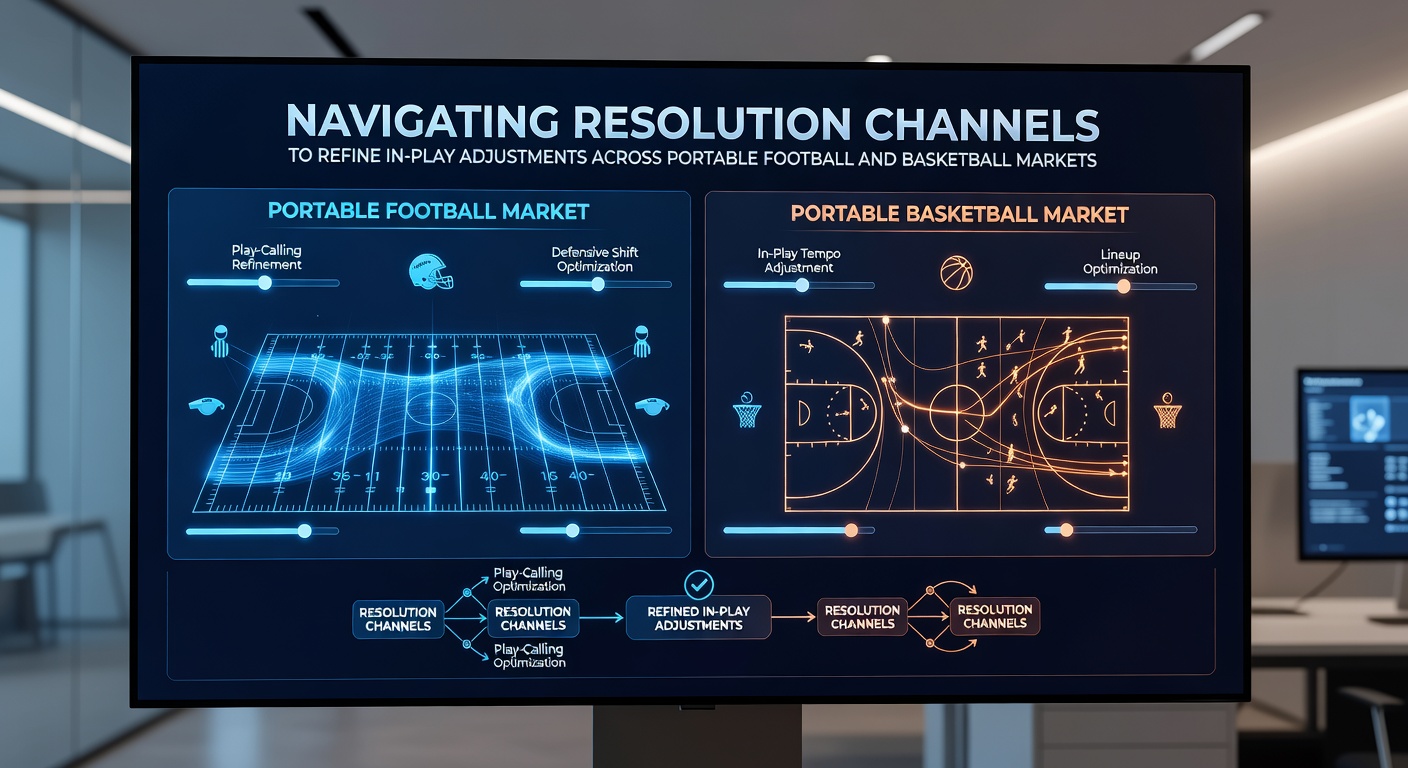
Portable platforms have expanded live betting access for football and basketball enthusiasts, and resolution channels play a central role when participants seek to refine in-play adjustments during active matches. These channels encompass automated verification systems, dedicated support interfaces, and structured appeal processes that operate across mobile applications in various jurisdictions. Observers note that effective navigation often begins with understanding how each platform categorizes disputes related to odds shifts, settlement timing, and market interruptions while the game continues.
Football markets on mobile devices frequently feature continuous adjustments to totals, spreads, and player props as matches progress through halves or extra time. When discrepancies arise between displayed odds and actual events, users typically initiate contact through in-app messaging or ticket submission portals that route queries to specialized teams. Data from regulatory reports indicates these systems prioritize rapid response times to maintain market integrity, and studies have shown that platforms equipped with integrated tracking tools resolve most queries within defined windows set by local oversight bodies.
Core Components of Resolution Pathways
Resolution pathways generally divide into three primary streams that operate simultaneously on leading portable applications. First, automated reconciliation tools scan for inconsistencies in real time and flag potential issues for review without user intervention. Second, live chat or voice support connects bettors directly with agents trained in both sports rules and platform mechanics. Third, formal escalation routes allow submission of detailed evidence such as screenshots, timestamps, and game logs for cases that require deeper examination.
Basketball presents distinct challenges because of its faster pace and frequent scoring bursts that trigger multiple odds revisions within minutes. Those who have studied these markets point out that in-play adjustments often involve micro-markets like quarter totals or individual performance metrics, which increases the volume of potential disputes. Platforms address this by deploying dedicated resolution queues that separate basketball queries from slower-paced football matters to avoid delays during high-traffic periods.
Mobile-Specific Features and Regional Practices
Portable interfaces incorporate push notifications that alert users when a submitted adjustment enters review status or receives an initial determination. These notifications link directly to detailed case timelines, allowing continuous monitoring without leaving the application. In regions governed by frameworks such as those overseen by the New Jersey Division of Gaming Enforcement, operators must maintain auditable records of all resolution interactions to demonstrate compliance with consumer protection standards.
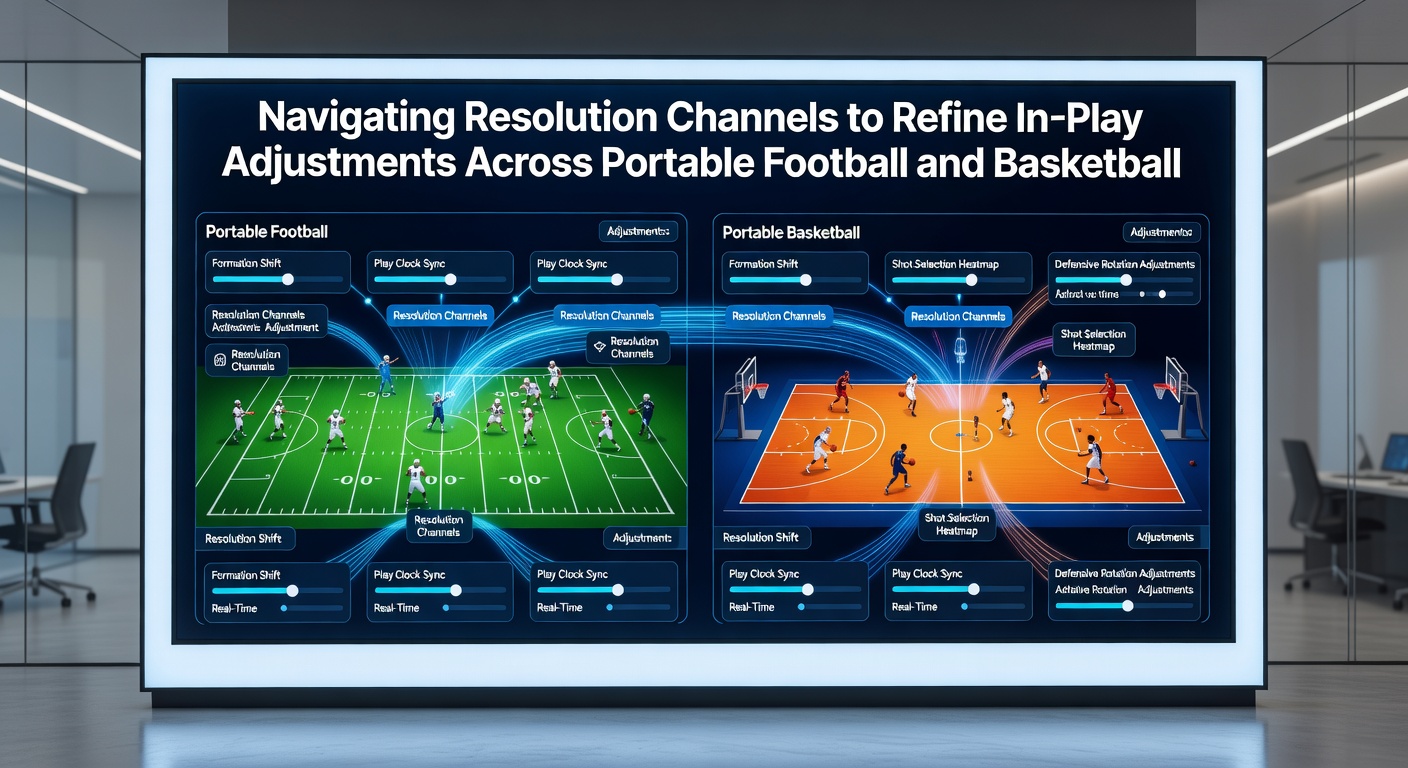
What's interesting is how different leagues influence the design of these channels. Football competitions with extended stoppages provide longer windows for users to submit requests before the next significant market movement, whereas basketball's continuous action demands streamlined forms that capture essential details in fewer steps. Research conducted by academic groups affiliated with institutions in Canada has examined these timing differences and found measurable impacts on user satisfaction metrics when resolution tools align with sport-specific rhythms.
Industry associations including the American Gaming Association have published guidelines that encourage transparent communication of resolution criteria across all mobile platforms. These guidelines emphasize clear disclosure of evidence requirements and expected timelines, which helps participants prepare submissions that address the precise nature of their requested in-play adjustment. As of May 2026, several operators have integrated AI-assisted triage that categorizes incoming tickets by sport and urgency level before routing them to human reviewers.
Practical Navigation Strategies Observed in Practice
Participants who succeed at refining adjustments typically organize supporting materials before initiating contact. This includes compiling sequential screenshots that capture the progression of odds alongside game clock data. Once inside the resolution interface, selecting the correct category for the issue—such as settlement error versus odds display glitch—accelerates processing because it directs the query to the appropriate specialist team from the outset.
Multi-clause processes often combine initial automated checks with optional human review when users provide additional context within the first submission. Observers have documented cases where football bettors leveraged video highlights from official broadcast feeds to substantiate timing disputes, while basketball users more commonly reference statistical databases that update in real time. Both approaches demonstrate how external verification sources strengthen resolution requests when internal platform data alone leaves ambiguity.
Conclusion
Resolution channels continue to evolve alongside advances in mobile technology and regulatory expectations, creating structured avenues for refining in-play adjustments in football and basketball markets. Those who understand the layered pathways—from automated flags through live support to formal appeals—position themselves to address discrepancies efficiently. Figures from industry monitoring groups reveal ongoing investment in these systems as live betting volumes grow across portable platforms worldwide.