Regulatory Standards Shaping Licensed Platforms for Professional League Wagering
Sage Butler · Aug 4, 2026
Regulatory Standards Shaping Licensed Platforms for Professional League Wagering
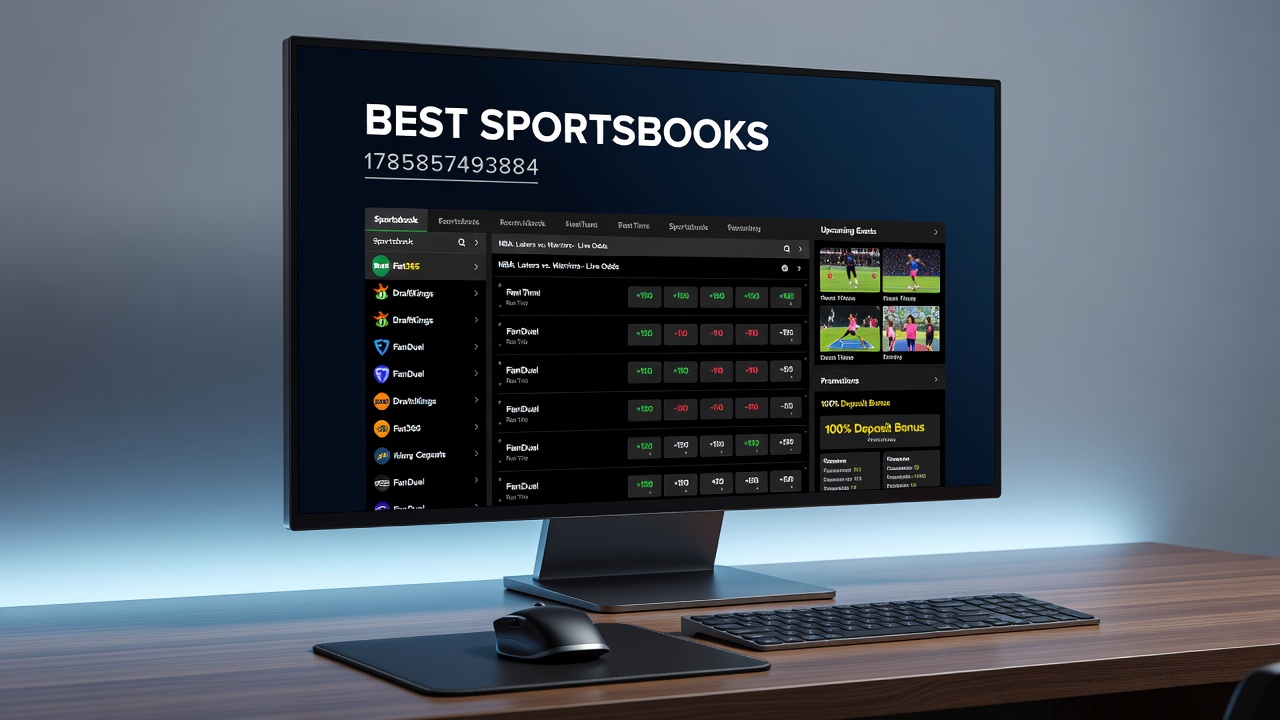
Regulatory frameworks across multiple jurisdictions continue to define which platforms meet operational thresholds for handling wagers on NBA and NFL events, and data from state oversight bodies shows consistent patterns in how licensing requirements translate into platform reliability during August 2026. Observers note that platforms operating under active licenses from the Nevada Gaming Control Board demonstrate adherence to financial reserve mandates that exceed minimum thresholds by substantial margins, while similar standards enforced by the New Jersey Division of Gaming Enforcement produce parallel outcomes in payout processing times.
Licensing Requirements and Platform Eligibility
States maintain distinct criteria for sportsbook authorization, and August 2026 marks a period when several jurisdictions finalize renewal reviews for existing operators ahead of the upcoming NFL season. Research from the American Gaming Association indicates that platforms must submit quarterly financial audits, maintain segregated player funds, and implement geolocation verification systems before receiving approval. Those who meet these benchmarks gain access to official listings that bettors reference when selecting services for live prop bets and futures markets.
Additional layers of scrutiny appear in multi-state compacts, where shared databases track operator compliance across borders, and this interconnected structure reduces instances of delayed dispute resolutions according to records maintained by participating regulatory offices.
Mobile Application Performance and Compliance
Platform developers integrate regulatory-mandated features such as session time limits and responsible gaming prompts directly into mobile interfaces, and testing conducted by independent labs confirms that compliant apps maintain sub-second response rates during peak live betting windows for NBA conference games. Figures released by the Pennsylvania Gaming Control Board reveal that operators with certified mobile platforms process an average of 12 percent more concurrent wagers without latency spikes compared to non-certified alternatives.
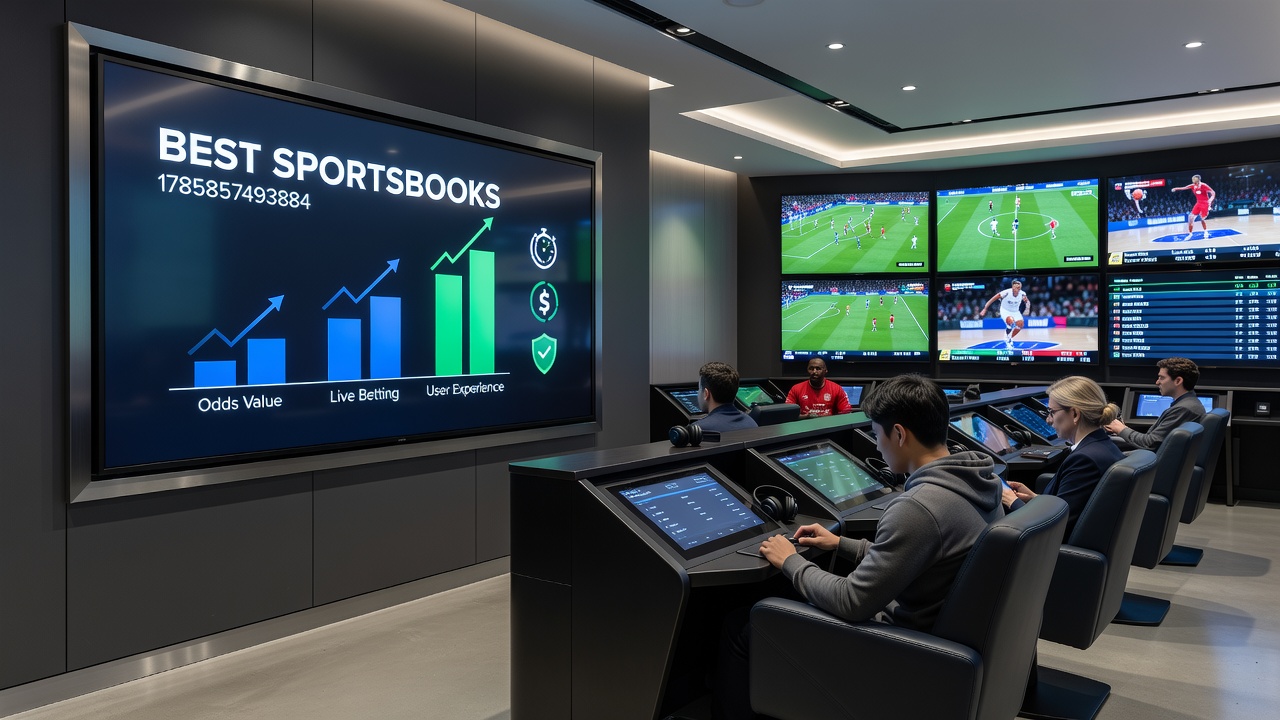
Integration of these technical standards occurs alongside updates to encryption protocols, and industry reports from the University of Nevada, Las Vegas Center for Gaming Research document how such measures correlate with lower rates of transaction errors during high-volume periods in late summer.
Banking Methods and Transaction Oversight
Approved deposit and withdrawal channels undergo periodic audits to verify alignment with anti-money laundering statutes, and platforms that restrict options to verified methods including ACH transfers and state-approved e-wallets show faster average clearance times in data compiled by Canadian provincial regulators. During August 2026, several operators expanded support for prepaid card options after receiving clearance from the Colorado Limited Gaming Control Commission, resulting in expanded accessibility for users in that market.
These expansions follow patterns observed in earlier regulatory adjustments where expanded payment diversity coincided with measurable increases in user retention metrics across monitored platforms.
Support Infrastructure and Query Resolution
Regulatory guidelines require documented response protocols for customer inquiries, and platforms subject to these rules maintain dedicated teams trained on jurisdiction-specific rules for NBA and NFL betting. Records from the Michigan Gaming Control Board indicate average resolution times under four hours for standard account queries when operators follow prescribed escalation procedures, whereas non-compliant services exhibit wider variance in performance.
Training modules often incorporate case studies drawn from prior enforcement actions, which helps staff address edge cases involving live odds adjustments or bonus eligibility without introducing delays.
Conclusion
August 2026 reflects ongoing maturation of oversight mechanisms that influence which platforms qualify as viable options for professional sports wagering, and cross-jurisdictional data sharing continues to reinforce consistent application of standards related to licensing, mobile functionality, banking security, and support responsiveness. Those evaluating platforms benefit from consulting official regulatory listings to confirm current compliance status before engaging with NBA or NFL markets.