Beneath Mobile Screens: Payment Pathways and Query Networks Powering Dynamic Wagers in League Platforms
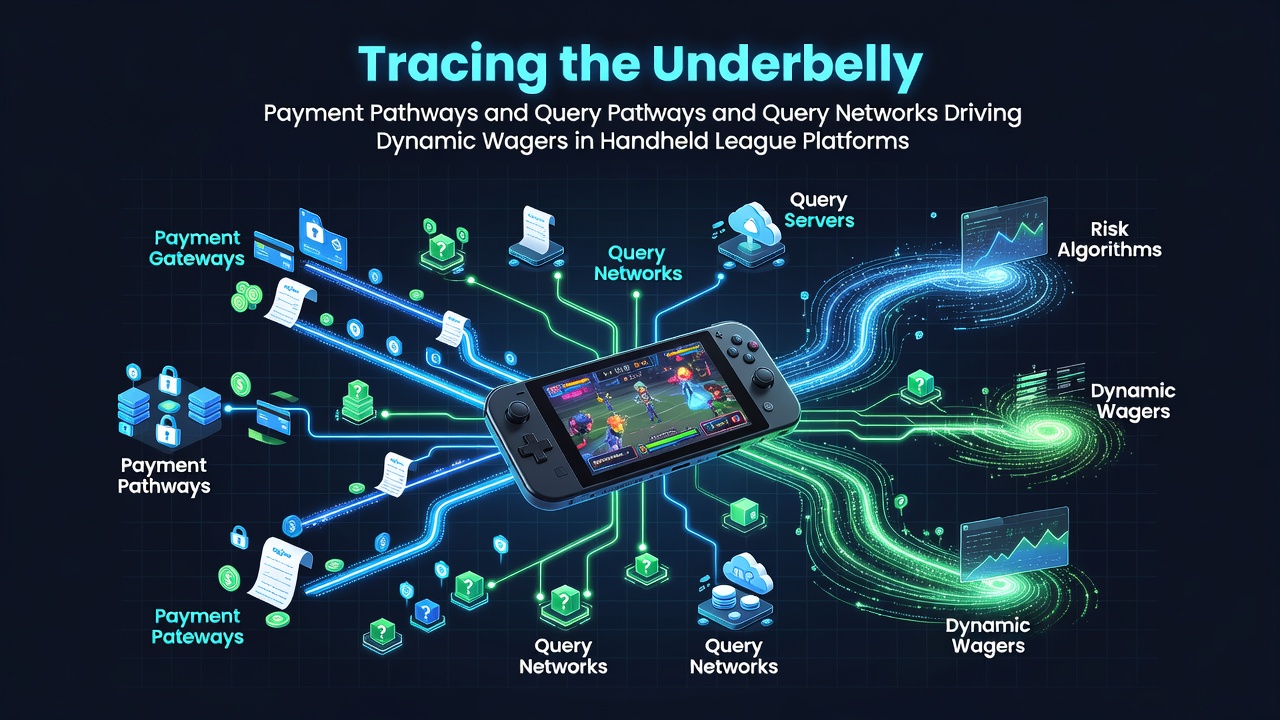 Payment systems in handheld league platforms operate through layered networks that connect user accounts to banking partners and third-party processors. These routes handle deposits and withdrawals while supporting real-time adjustments during live events across basketball and football competitions. Data from industry reports indicate that transaction volumes in mobile sports betting applications increased notably during the first half of 2026, with July figures reflecting continued growth in regions where regulated platforms dominate. Operators route funds via multiple channels including e-wallets, direct bank transfers, and prepaid options. Each pathway undergoes verification steps that vary by jurisdiction and user history. When a wager is placed during a game, the system confirms available balances through these same channels before updating odds or confirming outcomes. Observers note that delays in any segment of the payment network can interrupt the flow of dynamic wagers, particularly in high-volume periods such as conference finals or draft-related prop markets. Query networks function alongside these payment routes. Support systems receive inquiries about transaction status, account verification, and bet adjustments through in-app messaging, email, and live chat interfaces. Resolution times influence how quickly users can modify or place additional wagers. Studies conducted by academic researchers at the University of Nevada, Reno show correlations between query response speed and user retention rates in mobile betting environments.
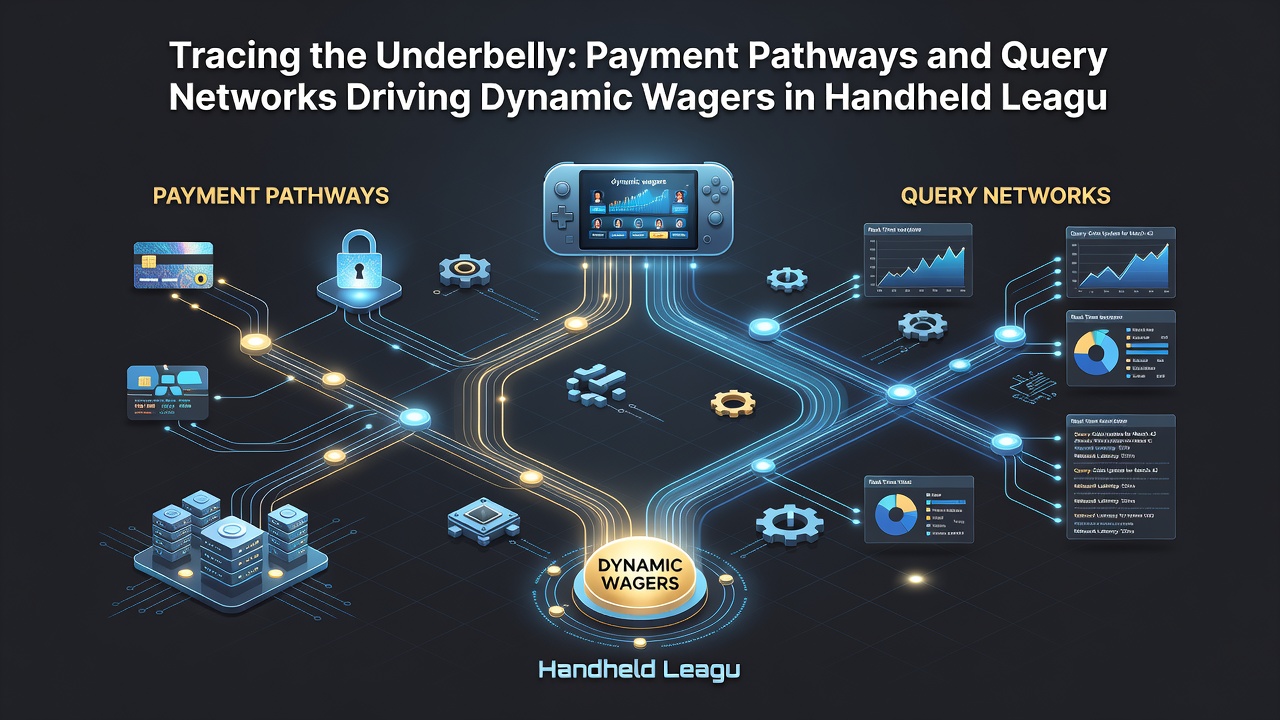 Operators also employ risk-scoring algorithms that flag unusual activity across both payment and query channels. An account showing repeated deposit attempts alongside multiple support contacts may receive additional verification steps. This layered approach aims to maintain platform integrity while preserving access for legitimate users.
Payment systems in handheld league platforms operate through layered networks that connect user accounts to banking partners and third-party processors. These routes handle deposits and withdrawals while supporting real-time adjustments during live events across basketball and football competitions. Data from industry reports indicate that transaction volumes in mobile sports betting applications increased notably during the first half of 2026, with July figures reflecting continued growth in regions where regulated platforms dominate. Operators route funds via multiple channels including e-wallets, direct bank transfers, and prepaid options. Each pathway undergoes verification steps that vary by jurisdiction and user history. When a wager is placed during a game, the system confirms available balances through these same channels before updating odds or confirming outcomes. Observers note that delays in any segment of the payment network can interrupt the flow of dynamic wagers, particularly in high-volume periods such as conference finals or draft-related prop markets. Query networks function alongside these payment routes. Support systems receive inquiries about transaction status, account verification, and bet adjustments through in-app messaging, email, and live chat interfaces. Resolution times influence how quickly users can modify or place additional wagers. Studies conducted by academic researchers at the University of Nevada, Reno show correlations between query response speed and user retention rates in mobile betting environments.Transaction Infrastructure in Handheld Platforms
Mobile applications for professional leagues integrate payment gateways that process both traditional and emerging funding methods. These gateways connect to processors that manage currency conversion, fraud screening, and settlement. According to figures released by the Australian Institute of Criminology, mobile betting transactions in regulated markets relied heavily on automated verification protocols by mid-2026, reducing manual intervention in routine deposits. Dynamic wagers require constant balance updates. When a user initiates a live bet, the platform queries the payment network to confirm sufficient funds and applies any active bonuses or limits. This process occurs within seconds, relying on low-latency connections between the app, the operator's server, and external financial institutions. Interruptions in these connections often trigger fallback protocols that pause wager placement until stability returns. Query handling systems track patterns in user inquiries. Common topics include pending withdrawals, failed deposits, and disputes over live bet outcomes. Staff or automated tools categorize these queries and route them to appropriate resolution teams. Those who have examined platform logs report that payment-related queries frequently outnumber other categories during peak event windows.Interdependencies Between Payments and Support
Payment stability and query resolution remain linked in measurable ways. A stalled deposit can generate multiple support tickets, which in turn consume resources that might otherwise address wager-specific issues. Research indicates that platforms with integrated monitoring tools detect these clusters earlier and adjust staffing or automated responses accordingly. In July 2026, several major operators updated their backend systems to improve synchronization between payment ledgers and support dashboards. These changes allowed support agents to view transaction histories in real time while handling inquiries, shortening average resolution times. Data shows corresponding improvements in the percentage of live wagers completed without interruption.
Operators also employ risk-scoring algorithms that flag unusual activity across both payment and query channels. An account showing repeated deposit attempts alongside multiple support contacts may receive additional verification steps. This layered approach aims to maintain platform integrity while preserving access for legitimate users.