Verification Layers and Real-Time Bonus Dynamics in Mobile In-Play Football and Basketball Betting
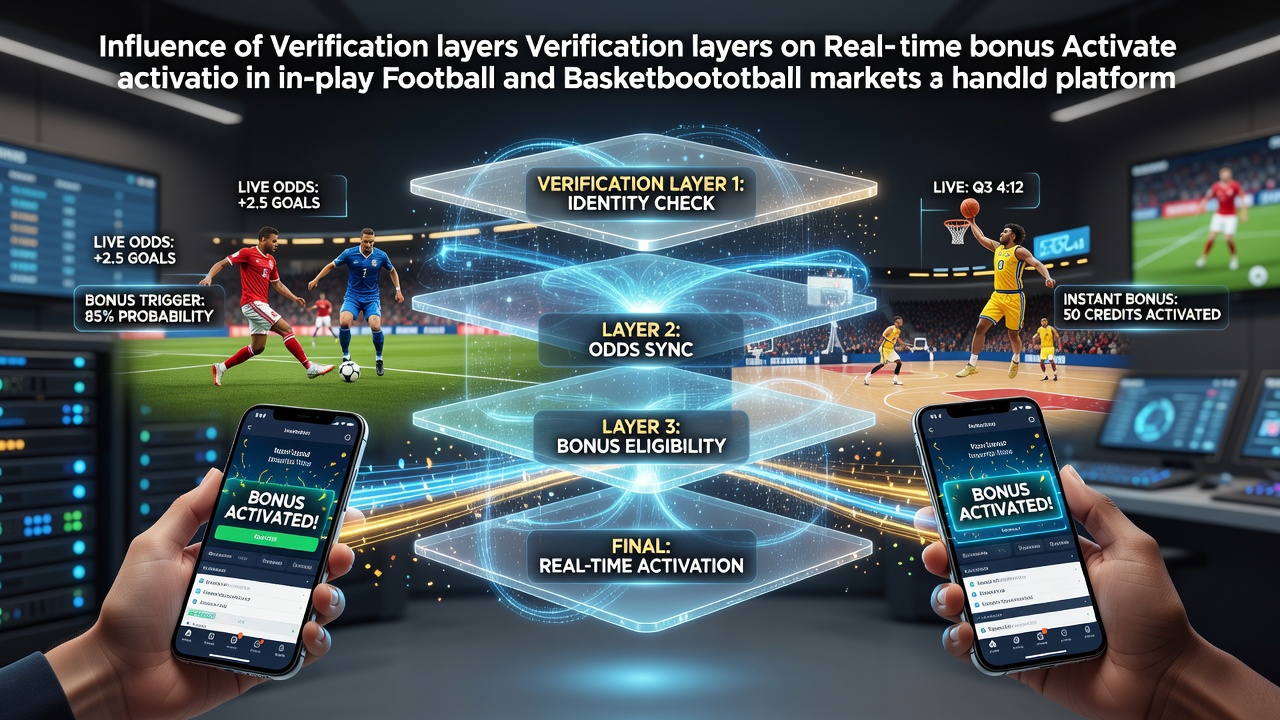
Verification layers function as sequential checkpoints that platforms apply to confirm user identity and account status before releasing promotional incentives during live events. These systems combine document uploads, biometric scans, and database cross-checks that run in parallel with ongoing matches in football and basketball. Data from industry reports shows that such layers process information in under 30 seconds on optimized handheld applications when network conditions remain stable.
Core Components of Verification in Handheld Environments
Platforms integrate multiple tiers including initial registration checks, ongoing transaction monitoring, and event-specific triggers tied to in-play wagers. Researchers at academic institutions have documented how these tiers interact with geolocation services and device fingerprinting to maintain compliance across regions. Observers note that basketball markets often require faster re-verification cycles because game momentum shifts occur every few seconds, whereas football intervals allow slightly longer processing windows between plays.
Impact on Bonus Timing During Live Markets
Real-time bonus activation depends on whether verification completes before the next betting window closes. Figures from platform analytics indicate that delays exceeding eight seconds reduce successful claim rates by measurable margins in both sports. Those who've examined transaction logs find that multi-factor authentication layered with facial recognition tends to stabilize activation speeds on 5G networks during peak June 2026 tournament periods.
Football in-play markets frequently feature prop bets on next possession outcomes, and verification pauses can interrupt bonus stacking if the system flags an unusual device location. Basketball applications handle similar pressures through cached verification tokens that refresh automatically after each quarter. Industry organizations tracking mobile gaming trends report consistent patterns where pre-match identity confirmation reduces friction once games begin.
Platform-Specific Adaptations for Football and Basketball
Handheld platforms serving these sports employ adaptive algorithms that prioritize verification for high-volume users during major events. One study revealed that integrated payment and identity systems cut redundant checks by linking prior session data to current activity. Experts have observed that football markets benefit from extended match durations that accommodate occasional re-verification, while basketball's rapid scoring pace demands tighter integration between verification services and odds engines.
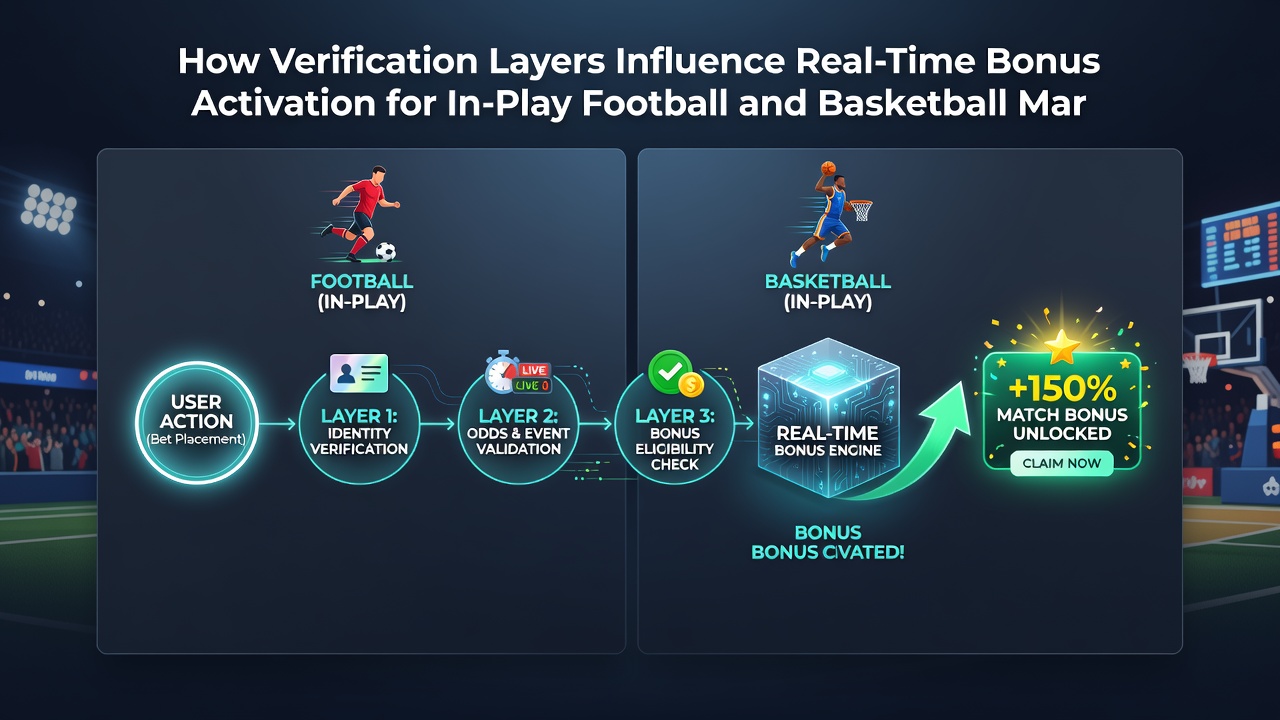
Regulatory bodies in various jurisdictions, such as those referenced in reports from the Nevada Gaming Control Board, emphasize the need for transparent verification timelines that users can track within apps. Nevada Gaming Control Board documentation outlines standards for response times that directly influence how quickly bonuses appear in live betting interfaces. Australian regulatory sources similarly highlight device-level security requirements that shape activation reliability for portable platforms.
Technical Factors Influencing Activation Reliability
Network latency, app version stability, and server load during simultaneous events all contribute to verification outcomes. Data shows that basketball betting volumes spike during conference finals, placing greater demands on verification infrastructure compared with regular-season football games. Platforms counter these pressures through edge computing that processes identity tokens closer to the user's location, shortening the interval between wager placement and bonus credit.
Those studying user behavior patterns note that repeated successful verifications build trust signals within the system, which in turn accelerates future activations without lowering security thresholds. June 2026 updates to mobile operating systems introduced improved API support for biometric handoffs, allowing seamless transitions between verification stages during active matches.
Cross-Sport Comparisons in Mobile Contexts
Football markets on handheld devices often involve longer verification chains due to international roster complexities and varying league rules, whereas basketball platforms streamline checks around domestic league data feeds. Research indicates that unified verification databases shared across sports reduce duplication and support faster bonus releases when users switch between football and basketball events in a single session.
What's interesting is how these layers maintain equilibrium between regulatory compliance and user experience expectations across different time zones and match schedules. Platform logs demonstrate that basketball in-play bonuses activate more consistently when verification occurs at the start of each half rather than continuously throughout.
Conclusion
Verification layers continue to evolve alongside mobile technology, directly shaping the speed and consistency of real-time bonus activation in football and basketball in-play markets. Evidence from regulatory filings and platform performance metrics confirms that structured checkpoints, when optimized for handheld use, support reliable incentive delivery without compromising security protocols. Future refinements will likely focus on further reducing processing intervals while meeting standards set by oversight agencies worldwide.